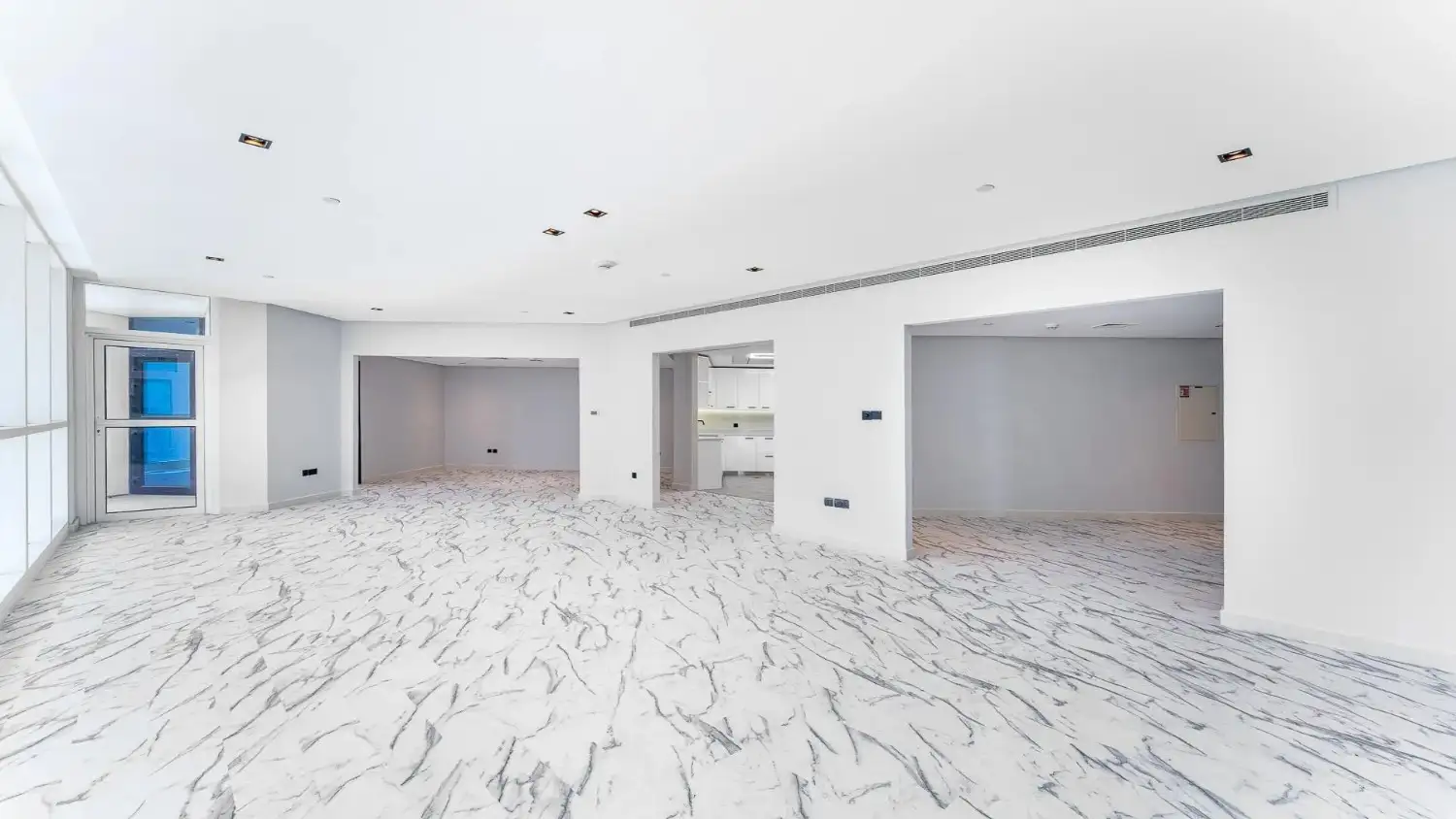
Home Renovation Dubai Transform Your Home with Modern Designs and Expert Planning
Planning a home renovation in Dubai is an excellent opportunity to improve your property’s appearance, functionality, comfort, and long-term value. Whether we want to modernise an apartment, upgrade a villa, redesign a kitchen, or transform an outdated bathroom, a well-planned renovation can make a significant difference to how we use and enjoy our living space.
Dubai offers a diverse range of residential properties, from contemporary apartments and luxury penthouses to spacious villas and townhouses. Each property has unique renovation requirements, depending on its existing condition, architectural style, layout, and the homeowner’s preferences. With the right planning, materials, and professional support, we can create a home that reflects our lifestyle while meeting practical requirements.
A successful home renovation Dubai involves more than selecting attractive finishes. We must consider space planning, lighting, ventilation, material durability, project costs, approvals, and the quality of workmanship. By addressing these elements before construction begins, we can make informed decisions and achieve a result that balances style, comfort, and functionality.
Why Choose Home Renovation in Dubai?
Home renovation allows us to improve an existing property without necessarily moving to a new one. Instead of adapting to an outdated layout or worn finishes, we can customise our living environment to meet changing needs.
Improve Comfort and Functionality
One of the primary reasons homeowners invest in renovation is to make their homes more practical. A poorly designed kitchen, insufficient storage, outdated lighting, or an inefficient room layout can affect everyday comfort.
Through professional space planning, we can create better circulation, improve storage, and make individual rooms more useful. For example, an apartment renovation may focus on maximising available space, while a villa renovation may involve redesigning larger living areas and improving connections between indoor and outdoor spaces.
Modernise Interior Design
Interior styles and household preferences change over time. Renovation gives us an opportunity to replace outdated finishes with contemporary materials, coordinated colours, modern lighting, and practical furniture layouts.
Popular choices include neutral colour palettes, textured wall finishes, natural-looking flooring, modern cabinetry, and minimalist fixtures. The best design depends on the property’s architecture and the homeowner’s preferences rather than following trends without considering long-term use.
Increase Property Appeal
A well-maintained and thoughtfully renovated home can be more attractive to prospective buyers and tenants. Updated kitchens, bathrooms, flooring, lighting, and storage can improve the property’s overall presentation.
However, the financial return depends on the property’s location, condition, renovation quality, market demand, and total investment. We should prioritise improvements that make sense for the property rather than assuming every renovation will increase its market value by a particular amount.
Improve Energy Efficiency
Renovation can provide an opportunity to review lighting, appliances, insulation, window treatments, and air-conditioning performance.
Energy-efficient lighting, appropriately specified appliances, effective sealing, and suitable solar-control solutions may help reduce unnecessary energy consumption. In Dubai’s climate, controlling solar heat gain and maintaining effective cooling are particularly important considerations.

Types of Home Renovation Services in Dubai
Every home has different requirements. Some projects involve a few cosmetic improvements, while others require extensive changes to multiple rooms or building systems.
Complete Home Renovation
A complete home renovation involves upgrading several areas of the property as part of a coordinated project. Depending on the scope, this may include flooring, painting, ceilings, lighting, bathrooms, kitchens, cabinetry, and selected electrical or plumbing improvements.
Before starting, we should assess the existing property and establish a clear scope of work. This helps identify potential issues, coordinate contractors, and reduce the likelihood of unexpected changes during construction.
A detailed renovation plan should also specify the materials, finishes, installation methods, project milestones, and final inspection requirements.
Villa Renovation in Dubai
Villa renovation projects often provide opportunities to improve larger living areas, bedrooms, kitchens, bathrooms, staircases, and outdoor spaces.
Homeowners may choose to update the interior design, replace outdated flooring, redesign storage, improve lighting, or modernise selected bathrooms. Some projects may also involve landscaping, outdoor seating areas, or upgrades to existing terraces.
Villa renovations require careful coordination because multiple trades may work across different parts of the property. Structural alterations, extensions, and changes to external elements may also require additional technical assessments and approvals.
Apartment Renovation
Apartment renovation focuses on improving the available space while respecting the building’s existing layout and management requirements.
Common upgrades include kitchen improvements, bathroom remodelling, new flooring, built-in wardrobes, lighting changes, and decorative finishes. Space-saving storage and carefully planned furniture layouts can be particularly useful in compact apartments.
Before beginning work, we should check building management rules, approved working hours, service access, waste disposal arrangements, and any required permissions.
Kitchen Renovation
The kitchen is one of the most frequently used areas of a home. A renovation can improve its layout, storage capacity, work surfaces, lighting, and overall appearance.
Important considerations include:
- Kitchen cabinets: Choose durable materials, practical storage configurations, and finishes that complement the interior.
- Countertops: Compare stone, engineered surfaces, and other suitable materials based on maintenance, durability, and budget.
- Lighting: Combine general lighting with task lighting for food preparation and work surfaces.
- Appliances: Select appliances that fit the available space and household requirements.
- Plumbing and electrical systems: Ensure installations are suitable for the planned layout and completed by qualified professionals.
A successful kitchen renovation should improve everyday usability rather than focusing exclusively on decorative finishes.
Bathroom Renovation
Bathroom renovation can improve comfort, appearance, water management, and storage. Typical upgrades include modern sanitaryware, shower enclosures, vanity units, mirrors, lighting, tiles, and fittings.
Waterproofing is one of the most important parts of a bathroom renovation. We should ensure that the underlying surfaces and drainage arrangements are properly assessed before new finishes are installed.
Ventilation, water pressure, drainage slopes, and access to plumbing connections should also be considered. Choosing easy-to-maintain materials can help preserve the bathroom’s appearance over time.
Flooring and Painting
Replacing worn flooring and refreshing wall finishes can significantly change the appearance of a home without requiring a complete renovation.
Porcelain tiles, suitable engineered flooring, and other durable surfaces can complement different interior styles. The best choice depends on the room, expected use, maintenance requirements, and compatibility with the existing subfloor.
For painting, we should consider colour coordination, surface preparation, product suitability, and the quality of application. Proper preparation is essential for achieving an even finish and reducing premature peeling or visible imperfections.
Popular Home Renovation Trends in Dubai
Dubai homes incorporate a variety of interior styles, from understated contemporary designs to luxurious and highly customised spaces.
Modern Minimalist Interiors
Minimalist interiors emphasise clean lines, practical layouts, restrained colour palettes, and limited visual clutter.
Built-in storage, simple cabinetry, carefully selected lighting, and uncluttered surfaces can help create a spacious appearance. This approach works particularly well in apartments and modern villas where functionality is as important as aesthetics.
Luxury Contemporary Design
Luxury contemporary interiors often combine premium-looking finishes, coordinated lighting, elegant furniture, and carefully selected materials.
Large-format tiles, feature walls, custom cabinetry, decorative lighting, and statement fixtures can create a refined appearance. The key is to maintain balance and avoid using too many competing materials or decorative elements.
Natural Materials and Warm Colours
Natural-looking wood finishes, stone textures, warm neutrals, and earthy colours can create a welcoming atmosphere.
These materials can complement both contemporary apartments and traditional villa interiors. When selecting natural wood or wood-effect finishes, we should consider moisture exposure, maintenance, durability, and suitability for the intended room.
Smart Home Improvements
Renovation may provide an opportunity to integrate smart lighting, climate controls, automated window treatments, and selected security systems.
Before installation, we should assess compatibility with existing electrical infrastructure, internet connectivity, and the home’s other systems. Planning these features early can reduce the need for disruptive modifications after finishing work is complete.
How Much Does Home Renovation Cost in Dubai?
The cost of home renovation in Dubai varies according to property size, existing condition, design complexity, material selection, labour requirements, and the extent of the work.
A cosmetic refresh involving painting and minor upgrades will generally require a different budget from a full villa renovation involving kitchens, bathrooms, electrical systems, plumbing, and custom joinery.
Rather than relying on a single price estimate, we should request a detailed quotation based on the actual property and renovation requirements.
The main factors affecting renovation costs include:
- Property size: Larger properties typically require more materials and labour.
- Scope of work: Cosmetic improvements differ considerably from extensive remodelling.
- Material quality: Standard, mid-range, and premium finishes have different costs.
- Labour and installation: Specialist trades and complex installations can increase the budget.
- Existing conditions: Hidden plumbing, electrical, waterproofing, or structural issues may require additional work.
- Approvals and permits: Applicable fees depend on the project and relevant authorities.
- Customisation: Bespoke cabinetry, decorative features, and specialised lighting can increase costs.
We should also allow for a reasonable contingency based on the property’s condition and the level of uncertainty in the scope. The appropriate amount depends on the project rather than a universal percentage.
A professional quotation should identify included work, excluded items, payment milestones, material specifications, estimated completion dates, and procedures for approving variations.
Home Renovation Process: From Planning to Completion
A structured process helps keep renovation projects organised and reduces avoidable misunderstandings.
Step 1: Assess the Property
We begin by inspecting the existing home and identifying the areas that require improvement. This may involve reviewing the layout, finishes, electrical systems, plumbing, ventilation, and visible signs of damage.
For extensive projects, specialist inspections may be necessary before finalising the design.
Step 2: Define the Renovation Scope
Next, we establish the project’s objectives. These may include improving functionality, updating the interior, increasing storage, modernising a kitchen, or renovating the entire property.
A clearly defined scope helps ensure that contractors understand the required work and can prepare comparable quotations.
Step 3: Develop the Design
The design stage establishes the proposed layout, material selections, lighting, colours, fixtures, and finishes.
For major projects, drawings and technical details may be needed to coordinate construction work. We should finalise important selections before work begins wherever possible to reduce delays and unexpected costs.
Step 4: Confirm Approvals and Permissions
Depending on the property’s location and the type of renovation, permissions may be required from building management, a master developer, the relevant municipality, or another competent authority.
Structural changes, major service modifications, and external alterations may have additional requirements. We should confirm the applicable process before starting work rather than assuming that every renovation can proceed without approval.
Step 5: Complete the Renovation Work
Construction may involve demolition, repairs, electrical and plumbing work, waterproofing, ceiling installation, flooring, painting, cabinetry, and final fixtures.
The sequence depends on the project. Work should be coordinated so that completed surfaces are protected and inspections take place at the appropriate stages.
Step 6: Inspect and Handover
Before accepting the completed project, we should inspect the finishes, doors, windows, lighting, plumbing fixtures, cabinetry, and any installed equipment.
Outstanding defects should be documented and addressed according to the agreed contract. We should also collect relevant warranties, product information, maintenance instructions, and approvals where applicable.
Choosing a Home Renovation Company in Dubai
Selecting the right renovation company is essential for achieving a satisfactory result.
We should evaluate potential contractors based on their experience, technical capabilities, communication, workmanship, and ability to manage the project’s specific requirements.
Before appointing a company, consider the following:
- Review previous projects: Look for examples relevant to the type of property and renovation planned.
- Verify credentials: Confirm applicable licences, permissions, and qualifications for the work involved.
- Request a detailed quotation: Ensure that the scope, materials, labour, exclusions, and payment terms are clearly documented.
- Check references: Where possible, speak with previous clients about project management and workmanship.
- Confirm the schedule: Ask for realistic milestones and an explanation of how delays will be managed.
- Clarify responsibilities: Establish who handles approvals, building coordination, waste removal, and specialist subcontractors.
- Understand the warranty: Confirm the coverage for workmanship, products, and installed systems.
We should be cautious about quotations that are unusually low but omit important work or rely on vague material descriptions. A transparent agreement provides a stronger foundation for managing expectations and resolving issues.
Common Home Renovation Mistakes to Avoid
Even a well-intentioned renovation can encounter problems when planning is incomplete.
Starting without a clear budget: Without an agreed financial limit, material upgrades and scope changes can increase the total cost.
Ignoring hidden defects: Plumbing leaks, damaged waterproofing, and electrical problems should be investigated when appropriate rather than covered by new finishes.
Changing the design during construction: Frequent changes can create delays, additional labour, and material waste. Important decisions should be made as early as practical.
Choosing materials based only on appearance: Materials must suit the room’s moisture exposure, maintenance requirements, and expected use.
Overlooking approvals: Work that requires permission should not begin until the applicable requirements have been confirmed.
Failing to document agreements: Written quotations, approved drawings, material specifications, and variation records help prevent disputes.
Skipping the final inspection: A structured handover inspection helps identify incomplete work and defects before the project is considered finished.
Frequently Asked Questions About Home Renovation in Dubai
How long does a home renovation take in Dubai?
The duration depends on the property size, scope of work, material availability, contractor scheduling, and approval requirements. Cosmetic improvements may take considerably less time than a full villa or apartment renovation. A reliable contractor should provide a project-specific schedule with realistic milestones.
Do we need approval for home renovation in Dubai?
Some cosmetic work may be subject to fewer requirements, while structural alterations, major service modifications, and certain apartment or villa improvements may require approvals. Requirements vary by property, community, building management, and the nature of the work. We should confirm the applicable permissions before construction begins.
Is it better to renovate a villa or buy a new one?
The decision depends on the property’s location, purchase price, existing condition, renovation budget, and long-term requirements. Renovating an existing home may allow us to retain a preferred location and customise the space, while buying another property may be more practical when extensive repairs or structural limitations make renovation uneconomical.
Can we renovate a home while living in it?
Some smaller projects can be completed while the property remains occupied. However, extensive demolition, bathroom renovations, electrical work, and major kitchen upgrades may disrupt daily routines. We should discuss dust control, access, utilities, safety, and temporary accommodation with the contractor before deciding.
What areas should we renovate first?
We should prioritise safety issues, water leaks, damaged waterproofing, and essential electrical or plumbing repairs. After addressing these needs, we can focus on high-use spaces such as kitchens, bathrooms, flooring, and lighting according to the available budget.
How can we manage a home renovation budget?
A detailed scope of work, itemised quotations, realistic material selections, and written approval for changes help control spending. We should also set aside a contingency appropriate to the property’s condition and avoid committing to upgrades before understanding their total cost.
Conclusion Plan Your Home Renovation in Dubai with Confidence
A successful home renovation in Dubai combines thoughtful design, practical planning, durable materials, and professional workmanship. Whether we are updating an apartment, modernising a villa, redesigning a kitchen, or transforming an entire property, a structured approach helps us make better decisions at every stage.
By establishing clear objectives, setting a realistic budget, selecting suitable materials, and confirming the required approvals, we can reduce unnecessary complications and create a home that meets our needs.
The most effective renovation is not necessarily the most expensive one. It is the project that improves everyday comfort, makes better use of available space, and delivers lasting value through carefully considered design and quality execution.